In the corporate world - interiors are more than a mere aesthetic statement. They play a pivotal role in shaping workplace productivity, company culture, and brand identity. A workspace that has been thoughtfully designed reflects the values of the company and positively influences employees’ efficiency, fosters collaboration, and creates a lasting impression on clients and stakeholders.
Over the years, more businesses have recognized the importance of incorporating meaningful interiors in modern workplaces to promote employee well-being, a sense of belonging, creativity and a strong corporate ethos. At Krayons, we bring the vision of corporates to life with excellence in design and finesse in execution. Having excited 2.6 Million square feet of excellence across the country, we believe that every organization should carefully consider the role interiors play in enriching the culture and brand identity.
Impact of Corporate Interiors on Productivity
1. Ergonomic Workspaces
Ergonomic design reduces workplace fatigue and increases efficiency. Incorporating comfortable seating, adjustable desks, and proper lighting helps employees maintain better posture and reduce strain, ultimately leading to higher output. Companies today invest in standing desks, ergonomic chairs, and keyboard setups that support physical well-being and prevent health issues such as back pain and carpal tunnel syndrome. At Krayons, we work closely with clients to understand their pain points and deliver ergonomic solutions that empower their workforce to perform better.
2. Lighting and Its Effects on Work Efficiency
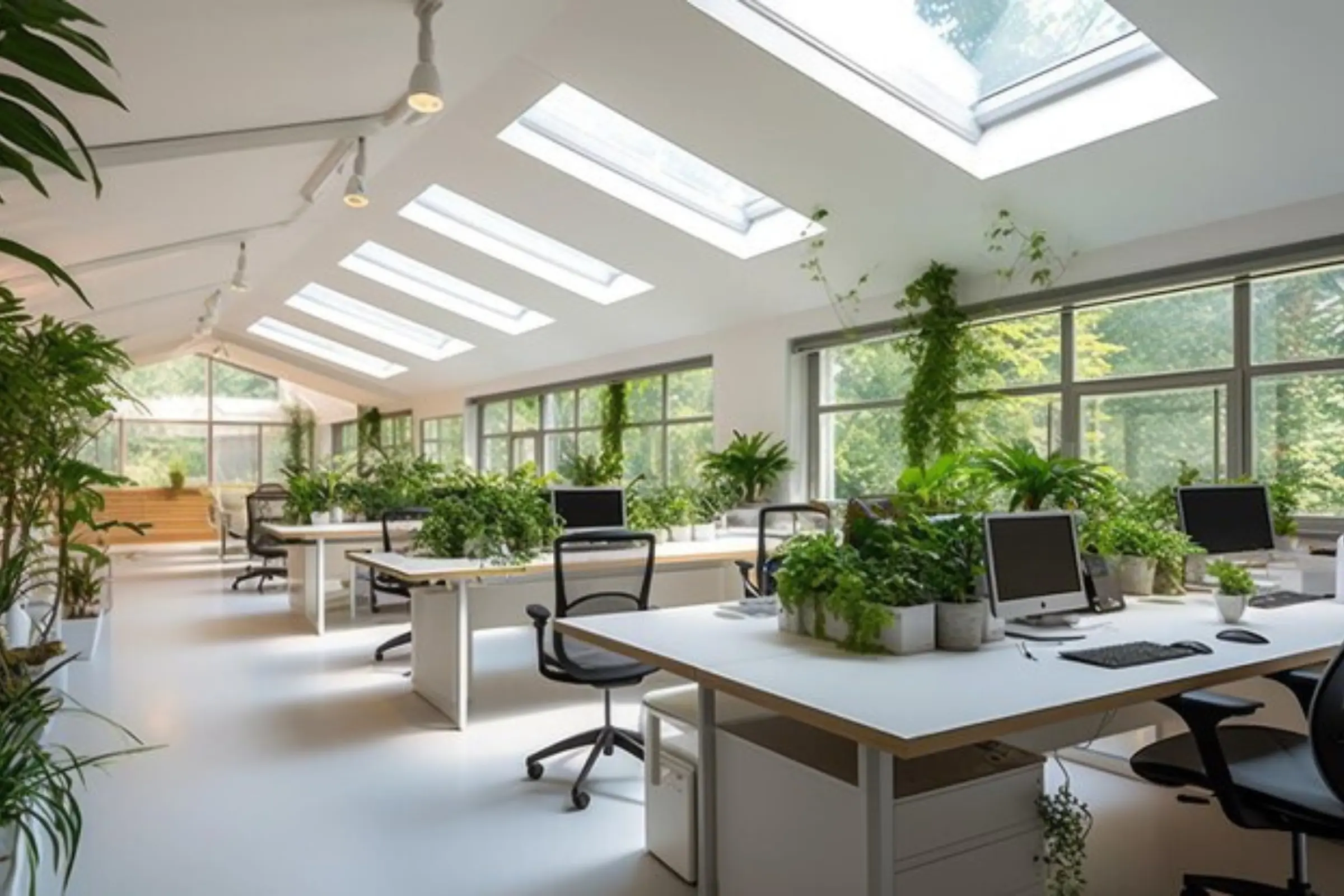
We truly believe that lighting has an immediate impact on mood and productivity. Natural light enhances focus, reduces the chances of eye strain caused by screens, and promotes an overall positive work atmosphere. Offices that seem to lack access to daylight can still use smart lighting solutions that mimic natural light to boost employee energy levels and overall productivity.
3. Space Utilization for Focus and Collaboration
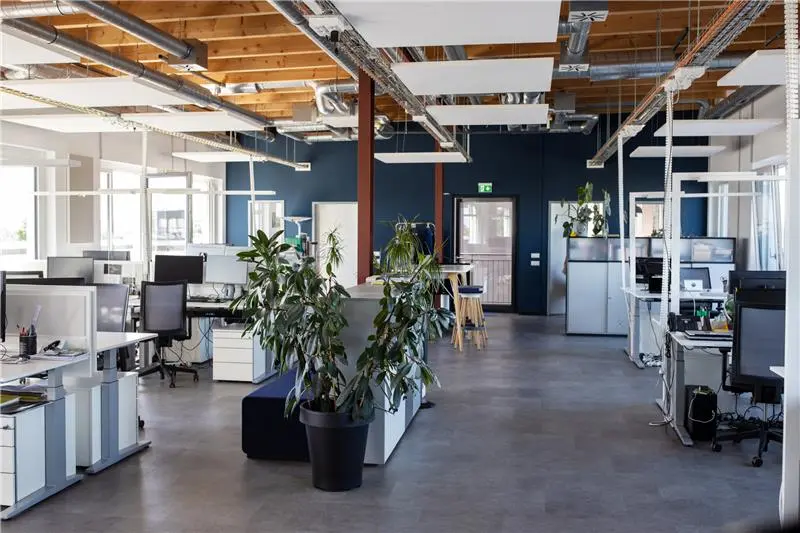
Striking a balance between open spaces and private work areas is very important. Open floor plans are known to encourage teamwork and idea-sharing, while designated quiet zones and focus pods allow employees to concentrate without distractions. At Krayons, we trust that the best corporate interiors integrate both these elements, catering to different work styles and responsibilities.
4. Acoustic Considerations
Amongst the many challenges of working out of the office, noise pollution is the most common. Poorly designed acoustics can cause distractions, poor concentration levels, and increased stress. Consider soundproofing elements like acoustic panels, carpeting, and strategically placed plants to help absorb unwanted noise and create a conducive working atmosphere.
How Corporate Interiors Shape Workplace Culture
A company’s interior design reflects its values and culture. Employees spend a significant portion of their day at work, and the environment must foster a sense of belonging, motivation, and engagement. Here’s how corporate interiors impact workplace culture:
1. Designing for Collaboration and Communication
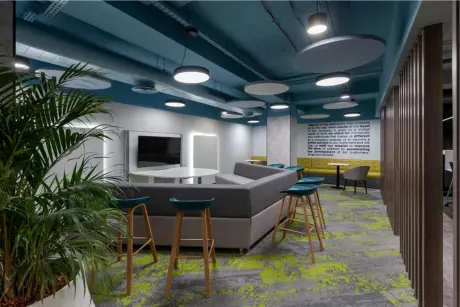
Collaboration and communication form the cornerstone of success in the workplace. Modern offices need to prioritize communal spaces like lounges, brainstorming areas, and coffee hubs that encourage spontaneous interactions. These informal spaces enhance teamwork, break silos, and create a sense of unity among employees.
2. Integrating Employee Well-Being
In 2025, workplace wellness will be a priority for companies aiming to retain talent and reduce burnout. Incorporating relaxation zones, wellness rooms, and fitness areas contributes to employees’ mental and physical well-being, ultimately boosting morale and engagement.
3. Fostering Creativity Through Design
Creative environments inspire creative thinking. Companies need to incorporate vibrant colours, unconventional furniture, and artistic elements to stimulate employees' creativity. Google, for example, is known for its playful office design that fosters an imaginative work culture.
4. Reflecting Inclusivity and Diversity
Inclusivity in corporate interiors ensures that every employee feels valued and accommodated. Design considerations such as accessible workspaces, gender-neutral restrooms, and prayer or meditation rooms reflect a company’s commitment to diversity and inclusion.
Corporate Interiors as an Extension of Brand Identity
Beyond internal culture, corporate interiors serve as a visual representation of a company’s brand. A thoughtfully designed office communicates professionalism, innovation, and the core values of a business.
1. First Impressions Matter
The reception area sets the tone for visitors and potential clients. A well-designed entrance with a strong brand presence creates a memorable first impression and conveys credibility and trustworthiness.
2. Consistent Brand Messaging Through Design
From colour schemes to furniture choices, corporate interiors should align with the company’s branding. A tech company might opt for sleek, modern furniture and digital integrations, while a luxury brand may incorporate high-end finishes and elegant decor.
3. Using Space to Tell a Brand Story
Offices can be designed to narrate the company’s journey, achievements, and values. Displaying company milestones, mission statements, and creative installations reinforces brand identity while motivating employees.
4. Sustainability as a Brand Statement
With an increasing emphasis on environmental responsibility, many businesses are incorporating sustainability into their interiors. Green buildings, energy-efficient lighting, and recycled materials not only reduce carbon footprints but also communicate a brand’s commitment to corporate social responsibility.
Trends in Corporate Interiors
Corporate interior design trends are continuously evolving, with a strong focus on functionality, sustainability, and employee experience. Here are some of the latest trends shaping modern workplaces:
1. Biophilic Design
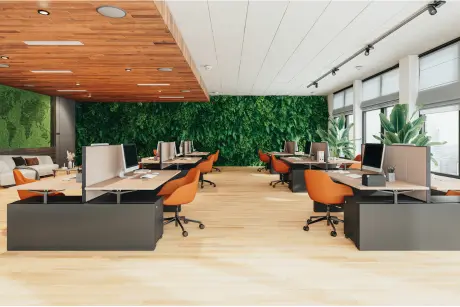
Bringing nature indoors through plants, green walls, and natural light improves air quality, reduces stress, and enhances overall well-being. Biophilic design has been shown to increase productivity and job satisfaction.
2. Flexible Workspaces
In a world where flexibility is everything, hybrid work models require adaptable office layouts. More companies are now investing in modular furniture, moveable partitions, and co-working spaces that cater to both in-office and remote employees. The future of work is flexible and companies need to consider this while thinking about their workspaces.
3. Smart Office Technology
In 2025, smart offices are the norm. Organizations need to think of IoT-enabled workspaces with automated lighting, climate control, and digital meeting rooms to enhance efficiency and streamline workflows. At Krayons, we aim to empower organizations with the latest technology to meet a more futuristic vibe .
4. Personalized Workspaces
Allowing employees to personalize their workstations fosters a sense of ownership and comfort, leading to increased job satisfaction and retention.
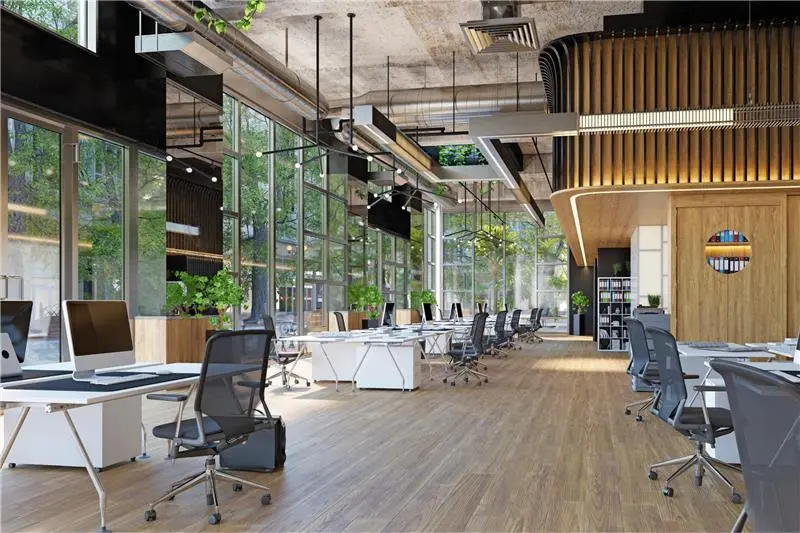
Corporate interiors go beyond aesthetics - they shape employee productivity, workplace culture, and brand perception. A well-designed office fosters collaboration promotes well-being, and leaves a lasting impact on both employees and visitors. As workplaces continue to evolve, businesses that prioritize thoughtful and strategic interior design will stand out as leaders in their industry, creating environments that are not only visually appealing but also functionally and emotionally enriching.
Conclusion
At Krayons, we design spaces that transcend aesthetics and incorporate the essential elements for functionality. Whether you are looking to add value to a small space or large, our capabilities go beyond the ordinary, bringing excellence in design through a team that thinks globally and executes with precision. Looking to amp up your space? Get in touch with us today.